🤖 This page was written by AI and reviewed by a human. 2026-07-15. Version 0.17
Raj Rajaratnam
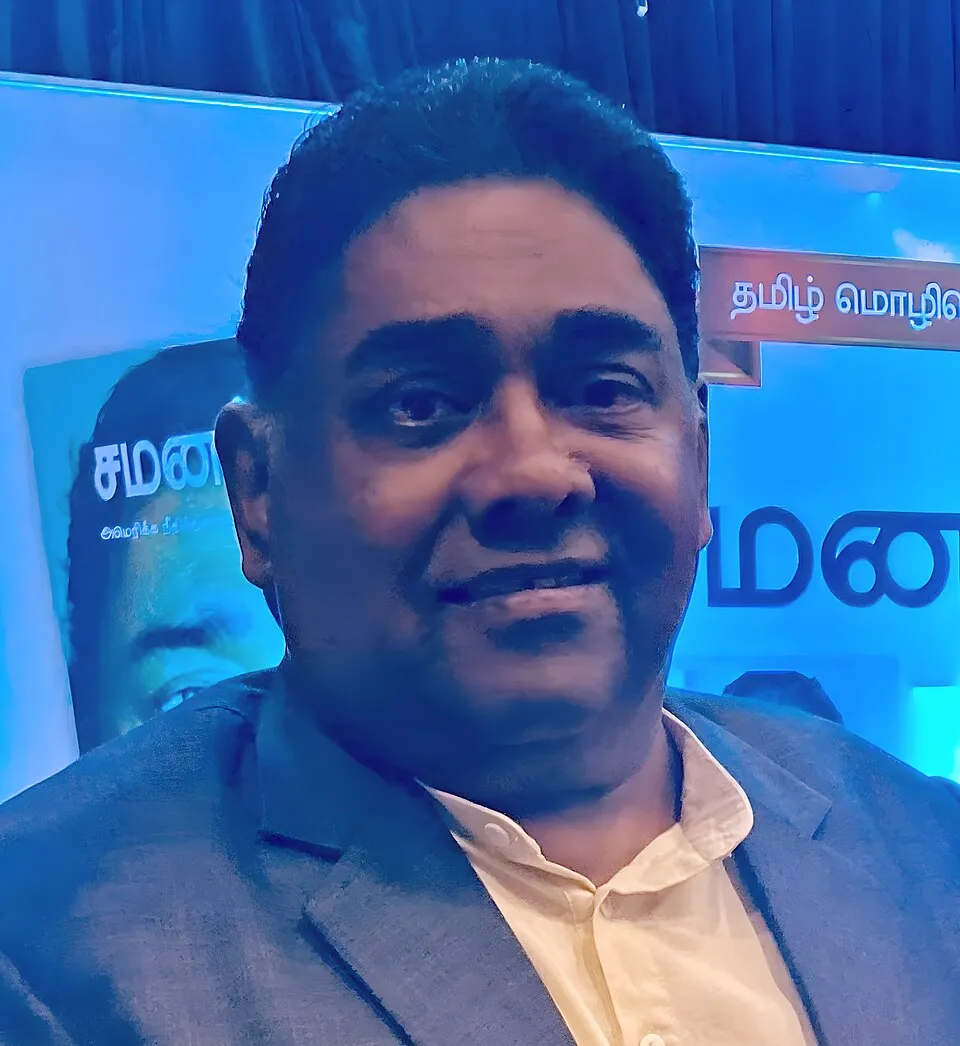
Status
Born in 1957 (age –). Living in Manhattan, New York (Upper East Side).
Criminal status: Convicted May 11, 2011 on 14 counts (9 securities fraud, 5 conspiracy); sentenced to 11 years October 2011; released to home confinement Summer 2019 after serving approximately 7.5 years; $53.8M forfeiture and $10M criminal fine; $92.8M SEC civil penalty upheld on appeal 2019
Summary
Raj Rajaratnam is a Sri Lankan-American financier who founded Galleon Group in 1997, a long/short equity hedge fund that grew to approximately $7 billion in assets at its peak in 2008. He was convicted in May 2011 on all 14 counts of securities fraud and conspiracy, orchestrating an insider trading network that generated approximately $60 million in illicit profits.
The prosecution was the first securities fraud case in US history to use wiretap evidence, recording over 18,000 conversations across ten telephones. He received an 11-year prison sentence -- the longest ever imposed for insider trading at the time. After serving approximately 7.5 years, he was released to home confinement in 2019.
Following his release, Rajaratnam published Uneven Justice: The Plot to Sink Galleon (2021), a memoir critical of federal prosecutors, and began operating a small private investment firm in Manhattan.
Business Relationships
Rajat Gupta, a Goldman Sachs board member and former McKinsey CEO, was convicted in 2012 for passing material non-public information to Rajaratnam, including advance notice of Warren Buffett's $5 billion investment in Goldman Sachs. This Goldman trade generated a $900,000 profit for Rajaratnam in a single day.
Anil Kumar, a senior McKinsey consultant, pleaded guilty to providing insider tips to Rajaratnam over several years and testified as a key prosecution witness at the criminal trial.
Ownership
Rajaratnam founded Galleon Group in 1997 and served as its managing partner until the fund was shuttered following his 2009 arrest. At its peak, Galleon managed approximately $7 billion in assets. Following his 2019 release from prison, he operates a small private investment firm from his Manhattan townhouse.
Family & Heirs
Rajaratnam is married to Asha Pabla, who ran the family's charitable foundation and served on the board of South Asian Youth Action (SAYA).
His father, J.M. Rajaratnam, was named as a co-defendant in the 2009 LTTE terrorism financing civil suit, with the family foundation alleged to have donated over $5 million to the Tamil Rehabilitation Organization between 2001 and 2007.
Evidence
2003-01-01 - 😇 - Donated USD 10.4M to Harlem Children's Zone over many years; HCZ president Geoffrey Canada testified on his behalf at the insider trading trial
2005-01-01 - 😇 - Donated USD 250,000 per year for three years to South Asian Youth Action (SAYA), a Queens-based immigrant youth NGO
2006-01-01 - 😇 - Donated an echo machine to the cardiovascular surgery unit of Jaffna Teaching Hospital
2007-01-01 - 😇 - Donated USD 3M to the University of Pennsylvania for education
2011-05-11 - 😈 - Convicted on all 14 counts of securities fraud and conspiracy; first use of wiretap evidence in a US securities fraud prosecution
2011-10-13 - 😈 - Sentenced to 11 years -- longest insider trading sentence in US history at the time; USD 53.8M forfeiture and USD 10M criminal fine
2011-11-11 - 😈 - SEC imposes record USD 92.8M civil penalty for insider trading, largest ever assessed against an individual
2014-06-25 - 😈 - Ex-driver Peter Malaszuk sues: wrongful termination for refusing illegal prison wire transfers, plus USD 275K unpaid overtime wages
2019-03-07 - 😈 - USD 93M SEC civil fine upheld by the Second Circuit; court cited brazenness, scope, and duration of insider trading scheme
2021-12-29 - 😇 - Published Uneven Justice memoir; all proceeds donated to criminal justice reform charities
Analysis
Rajaratnam's record centers on a legally established pattern of large-scale securities fraud. His conviction on all 14 counts was supported by unprecedented wiretap evidence documenting systematic corruption of corporate insiders at major US firms. Combined criminal and civil penalties exceeded $156 million.
His philanthropy spans two decades and two continents: USD 10.4 million to the Harlem Children's Zone, a personally-funded mine-detection dog for humanitarian demining in Sri Lanka, donations to South Asian immigrant youth through SAYA, an echo machine for Jaffna Teaching Hospital, USD 3M to the University of Pennsylvania, and funding that Sri Lanka's justice ministry publicly credited toward rehabilitating former LTTE child soldiers. That record reflects genuine, sustained charitable engagement. It does not offset what a federal jury, a sentencing judge, and two federal appellate panels have firmly established.
Questions
A civil lawsuit filed on behalf of over 30 survivors of LTTE terrorist attacks alleged that Rajaratnam and his family donated over USD 5 million to the Tamil Rehabilitation Organization between 2001 and 2007, with those funds allegedly financing suicide bombings in Sri Lanka. The case proceeded past a motion to dismiss in 2014. Separately, Sri Lanka's own Central Bank investigated the same TRO donations and cleared Rajaratnam of a money-laundering finding, concluding the donations were made "in good faith" before the organization was banned in 2007 -- a materially different read on the same underlying donations than the later US civil suit.
After his release from prison in 2019, Rajaratnam published a memoir advocating for criminal justice reform and began operating a private investment firm. Whether his post-conviction investment activities include any registered vehicles or new regulatory compliance obligations is worth examining.
Redemption Arc
Rajaratnam served approximately 7.5 years of his 11-year sentence and was released to home confinement in 2019. Since his release, he has published Uneven Justice (2021), donating all proceeds to criminal justice reform causes. His post-prison activities reflect a focus on reforming the prosecutorial system he believes targeted him, rather than an acknowledgment of the harm his insider trading caused to market integrity.