🤖 This page was written by AI and reviewed by a human. 2026-07-15. Version 0.17
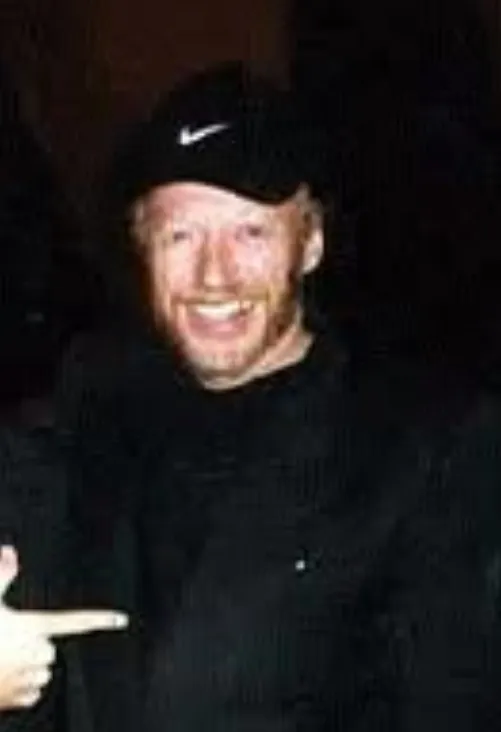
Phil Knight
Status
Born in 1938 (age –). Living in Hillsboro, Oregon.
Criminal status: No personal convictions
Summary
Phil Knight co-founded Blue Ribbon Sports in 1964 with track coach Bill Bowerman, each contributing USD 500, building it into Nike, Inc., now the world's largest sports apparel company. Knight served as Nike's chief executive through the company's formative decades, stepping down as CEO in 2004 and as chairman in 2016, while retaining approximately a 21% ownership stake in Nike through his family's holdings.
Business Relationships
Phil Knight co-founded Nike with Bill Bowerman, the University of Oregon track coach who became Knight's mentor and co-developer of Nike's early footwear designs. Knight's major philanthropic relationship with Stanford grew through his MBA program connection there; the Knight-Hennessy Scholars program is named jointly for Knight and former Stanford president John Hennessy.
Ownership
Knight retains influence over Nike through his family's approximately 21% stake, a concentrated position that has enabled the company to reject every shareholder proposal on climate, labor, and governance brought to a vote. He stepped down as chairman in 2016 but retains the title of chairman emeritus.
Family & Heirs
Phil Knight and his wife Penny Knight have operated as joint philanthropists across their major giving, co-signing the gifts to Oregon Health & Science University, Stanford, and the University of Oregon. Penny Knight is co-named in the Knight-Hennessy Scholars program, the Knight Campus at Oregon, and the OHSU Knight Cancer Institute.
Evidence
Analysis
Phil Knight's record divides sharply between two modes of power: giving and blocking. His philanthropy is extraordinary in scale — from the USD 2 billion OHSU cancer commitment that set a record for American university gifts, to USD 1 billion for applied science at the University of Oregon, to the USD 400 million racial equity fund for Portland's historically redlined Black neighborhoods. These gifts fund original research and community development at institutions with the capacity to act on them.
Their giving to healthcare has been sustained as well as large: a second USD 75 million gift to Providence Heart Institute in 2026 brought their cardiac-care giving to nearly USD 200 million over a decade.
Set against this is a sustained pattern of using wealth to block accountability. During his tenure as Nike's chief executive, Knight oversaw factories where independent monitors documented poverty wages, unsafe conditions, and forced overtime. When he made public commitments to reform in 1998, a three-year audit found them largely unmet.
That same impulse extends beyond the factory floor. When his alma mater joined an independent labor-monitoring group, he withdrew USD 30 million in support rather than allow inspections. Through legal trust structures, he transferred USD 5.8 billion in Nike shares to heirs while avoiding an estimated USD 3.6 billion in estate taxes.
In Oregon politics, he has spent USD 9 million over three years to push the state legislature toward Republican control — setting records while donating during the very legislative sessions when his giving would have been prohibited under proposed campaign finance reform. He extended that pattern into the state's 2026 governor's race, giving USD 1 million to Chris Dudley's campaign, by far the largest single contribution to any candidate in the race at the time.
The pattern predates the PAC era: in 2022, while Nike's own marketing championed its Move to Zero climate initiatives, Knight donated USD 1.75 million to gubernatorial candidate Betsy Johnson, a politician with deep financial ties to Oregon's logging industry.
Questions
Phil Knight's philanthropy flows overwhelmingly to institutions he has personal ties to — Oregon, where he earned his undergraduate degree, and Stanford, where he received his MBA. Does place-attached, name-bearing philanthropy deliver the same social value as systemic reform?
The USD 400 million Rebuild Albina commitment is Knight's first explicit foray into racial equity work, directed at a community displaced by Portland's own urban renewal projects. Does this represent a meaningful shift in philanthropic values, or a broadening of place-based giving to the city where Nike is headquartered?
Redemption Arc
The philanthropic arc is accelerating and broadening — the 2023 Rebuild Albina commitment, the 2025 OHSU record gift, and the 2026 Providence Heart Institute gift signal deepening ambition. The labor-era accountability failures remain unaddressed, and the political spending pattern in Oregon has intensified into the 2026 governor's race.